
Autism and the missing piece in Africa’s health systems
Every year on April 7, the world pauses to mark World Health Day, a moment to reflect on how far healthcare has come and how far it still needs to go. Championed by the World Health Organisation since its founding in 1948, the day is more than symbolic; it is a call to action. In 2026, the theme, Together for Health. Stand with Science, reminds us that progress depends not only on innovation but also on inclusion: ensuring that scientific advances benefit everyone, not just a few.
At the heart of this conversation is universal health coverage (UHC): the concept that all people should have access to the full range of quality health services they need — promotion, prevention, treatment, rehabilitation, and palliative care — when and where they need them, without financial hardship. It is about access, quality, and affordability working together. Seeing a doctor, receiving a diagnosis, completing a course of treatment, and accessing ongoing care should never depend on a person’s income, location, or identity.
It is not only an ambitious goal but also a necessary one. However, as we push towards it, a critical question must be asked: who is still being left out?
The gap nobody talks about
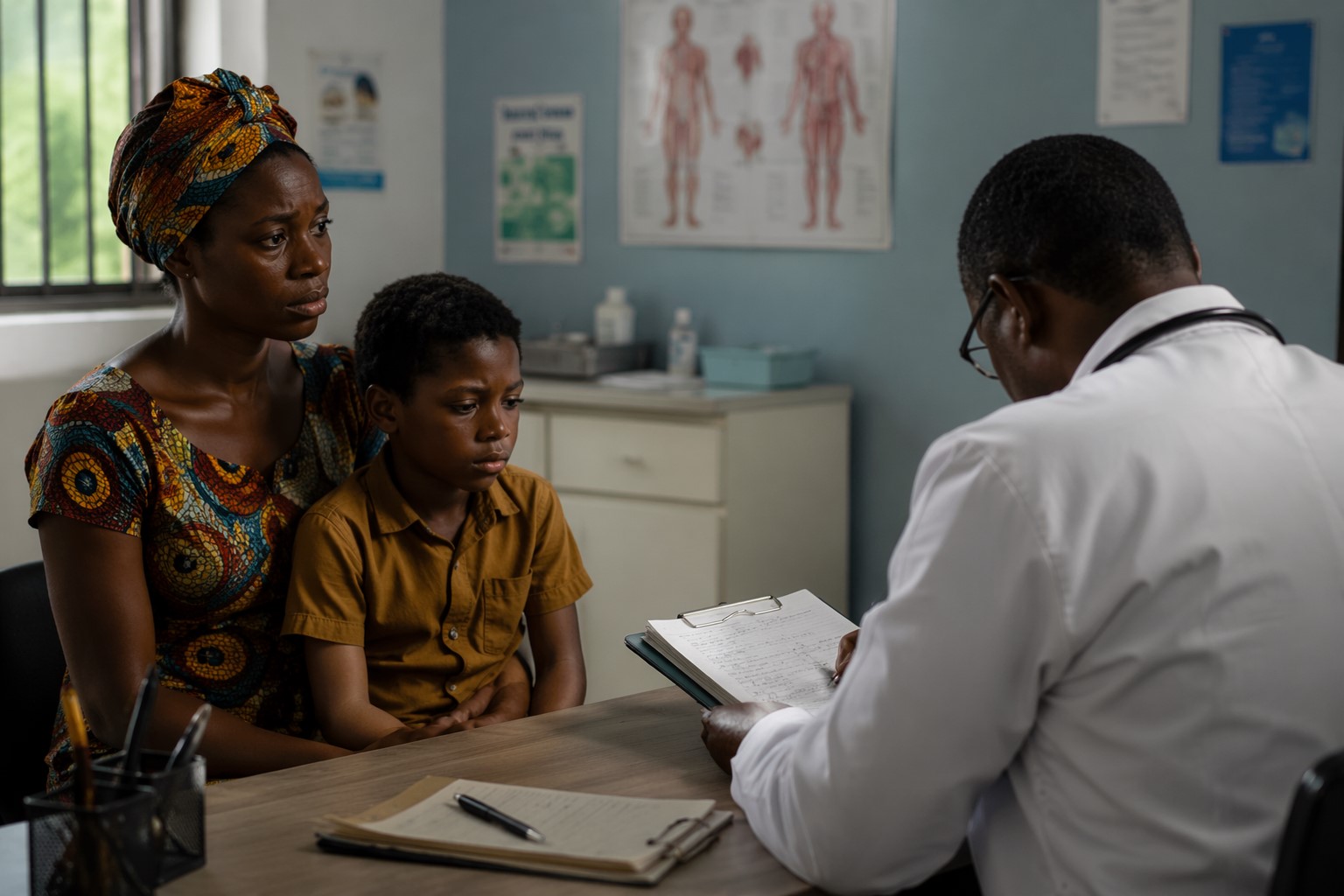
For many individuals with autism, the promise of universal health coverage remains unattainable, not necessarily due to the absence of services, but rather because the systems were not designed to accommodate their specific needs. Healthcare environments can be overwhelming. Communication styles are frequently mismatched. Providers often lack the training to offer appropriate, respectful care. These barriers rarely surface in policy discussions, yet they shape real lives every day.
UHC matters because it defines what healthcare truly is: a right, not a privilege. It determines whether a child is diagnosed in time, whether a condition is properly managed, and whether families can cope without financial ruin. It is, at its core, about dignity, opportunity, and quality of life.
When you bring autism into this conversation, the stakes become even clearer. Autistic individuals often require more than occasional care. Diagnosis demands time and specialist expertise. Therapy, whether speech, occupational, or mental health support, is frequently ongoing. There are often co-occurring conditions requiring regular attention. Without a system that makes these services accessible and affordable, many autistic people are simply locked out.
And even where services exist on paper, they do not always work in practice. Sensory-hostile environments, misunderstood communication needs, and inadequately trained professionals all stand between autistic people and the care they are entitled to. True UHC is not just coverage; it is meaningful coverage. That is, care that is timely, appropriate, and respectful.
The African reality
Across Africa, this conversation carries particular urgency. Healthcare systems on the continent remain under significant pressure. Cost, distance, and shortages of trained professionals frequently constrain access, and many people already struggle to obtain basic care. For autistic individuals, the gap is even wider. Diagnostic services are scarce, therapy options are limited, and public awareness is still growing. In many instances, families must navigate autism without any formal support.
This creates a compounding challenge: where healthcare access is already unequal, autism care becomes doubly out of reach. Universal health coverage has the potential to change the game, but only if autistic people are intentionally included in how systems are designed and funded.
A personal account
For me, this conversation is not abstract. It is personal.
Growing up, I always knew I experienced the world differently. I struggled with comprehending what I read, sensory activities, and social situations. But for a long time, there was no clear explanation. I did not have the language for it, and I did not have access to a system that could help me make sense of what I was experiencing.
That is where the gap begins. Had universal health coverage functioned as intended, I would not have had to wait until adulthood for clarity. Early screening and accessible specialists could have connected the dots far sooner. Instead, like many others across Africa, I navigated years of confusion before diagnosis was even a possibility.
When I eventually sought help, I encountered another barrier: cost. In 2020, I planned to see a psychologist. At the time, a session was ₦20,000 (around $54). Since I couldn’t sustain the cost, I had to stop. This is not because I no longer needed support, but because I could not afford it. That is the reality for countless people: healthcare may exist, but without financial protection, it remains beyond reach.
The journey was also medically fraught. I moved between hospitals and saw several doctors. At one point, I was misdiagnosed and placed on medication that made things worse rather than better. It was only after being referred to the right kind of specialist that I finally received an accurate diagnosis. And that was in 2022.
That entire experience, prolonged, expensive, and deeply uncertain, illustrates precisely why UHC matters. Healthcare is not simply about having hospitals or doctors. It is about whether a system can recognise you, guide you accurately, and support you appropriately. For autistic individuals, that recognition is far too often absent.
Before my diagnosis, I had already lived through the consequences of that absence. School was harder than it needed to be. Work environments were frequently overwhelming. Social expectations created constant pressure. And layered over all of it was stigma — the fear of being labelled, misunderstood, or dismissed.
In many parts of Africa, that stigma remains very real. Autism is not widely understood, and formal support is limited. Many people are never diagnosed at all. Families are left to manage alone, without guidance or access to proper care.
So when we speak of universal health coverage in this context, we are speaking of something far greater than policy. We are asking whether a child like I once was would be identified early and supported in school. Whether a young adult could access affordable therapy without having to stop midway. Whether someone can walk into a healthcare facility and be understood, not on the fifth attempt, but the first.
For many autistic people in Africa, that is not yet the reality. Universal health coverage has the power to change it.
Making UHC work for autistic people in Africa
Africa has committed to UHC as part of the Sustainable Development Goals, with an emphasis on equity and financial protection. However, UHC risks excluding the most vulnerable unless it deliberately includes people with autism. The following measures would help ensure that health systems do more than exist; they actively serve everyone.
1. Embed autism care in UHC benefit packages
African governments should explicitly include autism services, from early detection and diagnosis through to therapy and long-term support, within national UHC frameworks. This ensures autistic individuals can access care without catastrophic out-of-pocket costs.
2. Train the health workforce
Healthcare workers frequently receive little or no training on autism, resulting in misdiagnosis and poor care. Integrating autism education into medical and allied health curricula, alongside ongoing professional development, equips providers to deliver informed, respectful support.
3. Measure equity, not just coverage
Coverage alone is insufficient. Equity metrics should track whether services actually reach marginalised groups by monitoring access to early diagnosis, out-of-pocket expenditures, and disparities across regions and income levels.
4. Include autistic voices in policy design
Autistic individuals and their families must have a formal role in shaping programmes and policies. Advisory councils, community consultations, and co-designed services ensure that policy reflects lived reality rather than assumptions.
5. Invest in early detection and public awareness
Routine developmental screenings and targeted public health campaigns can identify autism earlier, reducing delays in care and improving long-term outcomes.
6. Connect health, education, and social services
Autism care spans multiple sectors. Integrating health, education, and social support systems means that a diagnosis leads meaningfully to therapy, school accommodations, and community inclusion, rather than leaving families to navigate fragmented services alone.
7. Expand financing to reduce out-of-pocket costs
In many African countries, families bear most healthcare costs themselves. National insurance schemes, subsidies for essential autism services, and risk-pooling mechanisms can protect families and make care genuinely affordable.
8. Build an evidence base through data and research
Reliable data on autism prevalence, service gaps, and outcomes is essential for effective policy. Real-world evidence underpins decisions through national registries, longitudinal studies, and assessments of cost-effective interventions.
Universal health coverage is only meaningful if it includes everyone, especially those whose needs have historically been overlooked. In Africa, where healthcare access remains uneven and resources are constrained, such progress requires intentional policy, inclusive planning, and community-driven advocacy.
Designing systems to see, understand, and support autistic individuals strengthens, fairens, and truly universalises them. Because standing with science, as this year’s World Health Day urges us to do, must also mean standing with every person that science can help. And that includes autistic people, whose voices have waited long enough to be heard.