
Autism is not one story. It’s a spectrum of experiences
Autism awareness and acceptance are deeply personal to me. Understanding autism isn’t just about knowing the facts; it’s about changing the narrative. Awareness helps shift perception from misunderstanding or stigma to respect, acceptance, and inclusion. By learning about autistic experiences, we can help make acceptance the norm. Autistic people exist everywhere, including across Africa, and this conversation must reach every community.
So, what is autism?
Autism Spectrum Disorder (ASD), commonly known as autism, is a neurodevelopmental condition that affects how people communicate, interact, learn, and experience the world.
Autism means a person’s brain works a little differently. It can change how someone talks, plays, interacts, learns, and understands others. For example, some children or adults with autism might find it hard to talk or make friends, while others might love certain games or topics and focus on them a lot.
Autism is a diverse group of conditions. That is, it is not a single, uniform condition but a spectrum that includes a wide range of related experiences. This means it can affect people in different ways, and no two individuals with autism are exactly alike.
Each person may have their own unique strengths, challenges, communication styles, and ways of interacting with the world. Some may need significant support in daily life, while others may need very little or none at all. Overall, the term “autism” covers a broad range of experiences rather than one fixed set of traits.
How autism affects different areas of life
1. Communication
Autistic people may communicate differently from allistic individuals, people without autism.
- Verbal communication
Some may speak fluently; others may have limited or no speech. Some may take language literally or struggle with abstract expressions and idioms.
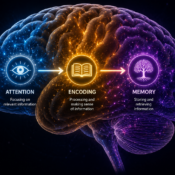
Personally, I find it difficult to retain information and to picture things abstractly, which makes it challenging to recall vocabulary and express myself, ultimately affecting communication and learning. I also struggle to find the words for certain feelings, such as pain. I know I feel something internally, but sometimes I don’t know exactly what it is. My brain finds it hard to put these sensations into words.
- Non-verbal communication
Facial expressions, gestures, or tone of voice may be interpreted differently or used differently. Some autistic individuals may avoid eye contact, not because they are disengaged, but because it can feel overwhelming or uncomfortable.
Personally, I avoid eye contact because looking directly into someone’s eyes feels painful, overwhelming, and distracting. Sometimes, my facial expressions don’t match my words or the situation, which makes it challenging to fit in, especially during conversations.
Impact: These differences can make conversations challenging for both autistic and non-autistic people, but understanding and patience help foster connection and respect.
2. Social interaction
Autistic individuals may relate to others in unique ways.
- They might find social cues, like body language, sarcasm, or subtle hints, difficult to interpret.
- Forming friendships or joining group activities may require conscious effort and learning social rules differently.
- Anxiety is also common and can affect both interaction and communication. For example, feeling anxious in a group setting may make it harder to speak, respond to questions, or interpret what others mean, even if they understand social rules. Anxiety doesn’t mean someone is not trying; it’s part of how the brain processes social situations.
Some people say that autism is an “excuse” for poor social skills, implying we just don’t want to try. That’s entirely wrong. My brain is unusual in the way it handles social interactions. Group conversations drain me faster than anything else. My eyes ache, my body hurts, and I feel completely exhausted. It’s like I’ve run a marathon just by sitting and speaking with more than one person. All my energy is used up, leaving me utterly fatigued, the kind that pins me to the bed, uselessly.
Impact: Autistic people may seem reserved or socially distant at first, but with support and understanding, meaningful relationships and bonds can flourish.
3. Sensory processing
Many autistic individuals experience sensory sensitivities or differences.
- Sounds, lights, textures, or smells may feel much stronger or even painful, while some don’t even sense these things at all. That is, while one autistic person can be hypersensitive, the other can be hyposensitive.
- Crowded places, certain clothing materials, bright lights, or unexpected noises can cause discomfort or stress.
The overwhelming exhaustion I experience in social situations also occurs with sensory overload. Exposure to bright lights, loud sounds, or other intense sensory input can trigger the same complete drain, leaving me utterly depleted and pinned to a bed like a log of wood.
Impact: Everyday environments can be overwhelming. Recognising sensory needs, like quiet spaces or flexibility in routines, can significantly improve comfort and participation.
4. Behaviours and routines
Autistic individuals often find comfort in predictability.
- Enjoying routines, repeating patterns, or engaging in focused hobbies can help them feel safe and organised.
- Some behaviours, like hand-flapping, rocking, or an intense focus on a particular interest, can be forms of self-expression or self-regulation.
Impact: What may seem unusual to others often serves a functional purpose for autistic people, helping them manage stress or stay focused.
Common myths about autism
Awareness helps challenge misunderstandings. Some common myths include:
- Autism is a disease
Autism is not a disease and does not need a “cure.” It is one of the neurodevelopmental conditions — a group of disorders that result from disruptions in early brain development that affect the nervous system and, in turn, cognitive, social, or motor abilities — that arises from a combination of genetic and environmental factors. As reported by the World Health Organization (WHO), several factors may increase the likelihood of a child having autism, including:
- Genetic factors – inherited differences in DNA that affect brain development.
- Parental and prenatal factors, such as older parental age, maternal diabetes during pregnancy, or exposure to certain medications like valproate or carbamazepine (used for seizures).
- Environmental and birth-related factors, including prematurity, low birth weight, severe birth complications, or prenatal exposure to air pollutants or certain heavy metals.
Researchers are continuing to study how these factors interact with each other and with genetic variations to better understand autism.
- Autism is caused by vaccines
One of the most persistent myths is that vaccines cause autism. Extensive research using multiple methods over many years has proven this is not true.
- Per the WHO, the claim linking the MMR vaccine (measles, mumps, and rubella) to autism came from a study that was later shown to be fraudulent. The journal retracted the study, and the doctor who published it lost his medical license.
- Studies also confirm that other childhood vaccines do not increase autism risk.
- Vaccine ingredients like thiomersal and aluminium, which are present in some vaccines, are safe and do not cause autism.
Vaccines remain an essential and safe way to protect children from serious diseases.
- Autistic individuals do not feel emotions, form relationships, or care about others
Autistic people do feel emotions deeply, sometimes even more intensely than neurotypical individuals. Have you met me? I feel emotions deeply. The way we express or communicate emotions may differ, which can lead to misunderstandings.
- Some may have difficulty interpreting social cues or expressing empathy in expected ways.
- Many autistic individuals maintain strong, meaningful friendships and relationships.
- Care and affection are expressed in diverse ways, whether through actions, shared interests, or consistent support.
Differences in expression do not mean a lack of emotion or empathy. Autistic individuals experience connection and care, even if it doesn’t always match societal expectations.
- All autistic people have intellectual disabilities
Autism is a spectrum, and cognitive abilities vary widely.
- Some autistic people may have intellectual disabilities, but many have average or above-average intelligence.
- Some excel in specific areas like mathematics, art, music, or technology.
- Labelling all autistic people as intellectually disabled is inaccurate and harmful, reinforcing stigma and limiting opportunities.
Autism is about differences in thinking, communication, and sensory experiences, not a fixed level of intelligence.
Myths like these oversimplify autism and contribute to misunderstanding and stigma. Recognising the emotional depth, individuality, and diverse abilities of autistic people is essential for fostering acceptance and inclusion.
Meanwhile, autism is not a single story. It is many stories, lived differently. And yet, too often in Africa, those stories are missing from public conversation. Not because they do not exist, but because we have not made space for them.
That is part of why Autism Thrive exists. Autism Thrive is an autistic-led initiative focused on building understanding, promoting inclusive education, and creating a society where autistic people are not just accommodated, but respected and supported. This month, and beyond, the goal is simple: to move from awareness to acceptance and from acceptance to action.
If you’ve read this far, you already know more than many people do. But this is just the beginning. Tomorrow, April 2, is Autism Acceptance Day. The question is, how far have we really come with acceptance in Africa?